

A Practical (and Honest) Guide for Parents of Students Facing Exams in June
It’s that time of year again.
Across Ireland, households are bracing for the Junior Cycle and Leaving Certificate exams. For Leaving Cert students in particular, this is a high-pressure stretch—made even busier in recent years with additional assessment components and project work stacking up toward the end of the cycle.
So the question remains: are these changes reducing pressure… or simply reshaping it?
For now, though, the focus is June.
Drawing on my experience working with thousands of exam students, here’s some practical—and honest—advice for parents navigating the weeks ahead.
---
Know the timetable. Download the official version, print it, and put it somewhere visible—on the fridge is ideal. Everyone in the house should know when exams are happening. Students do make the odd mistake with dates and times. Knowing the schedule isn’t about hovering; it’s about quietly having their back.
Students know the exams are coming. Constant reminders, questions, and comparisons can quickly become noise—and pressure. Stop talking about exams. Stop talking about expectations. Stop comparing. And on the morning of the first exam? Consider turning off the radio. The media build-up doesn’t help. The minister of education will be on radio telling everyone sitting these exams that they really don’t matter, why? Leaving-Cert exams do matter. Can you imagine how irritating it is for intelligent young people facing into their exams to hear this, don’t try to play it down with over exaggerated niceties, tell the truth and acknowledge the exam and pressures, don’t pretend otherwise.
Let’s also be honest: the Leaving Cert does matter. It’s tied to college entry and future options. Telling students “it doesn’t matter” can feel completely out of touch. Balance matters. Honesty matters. Empty platitudes don’t.
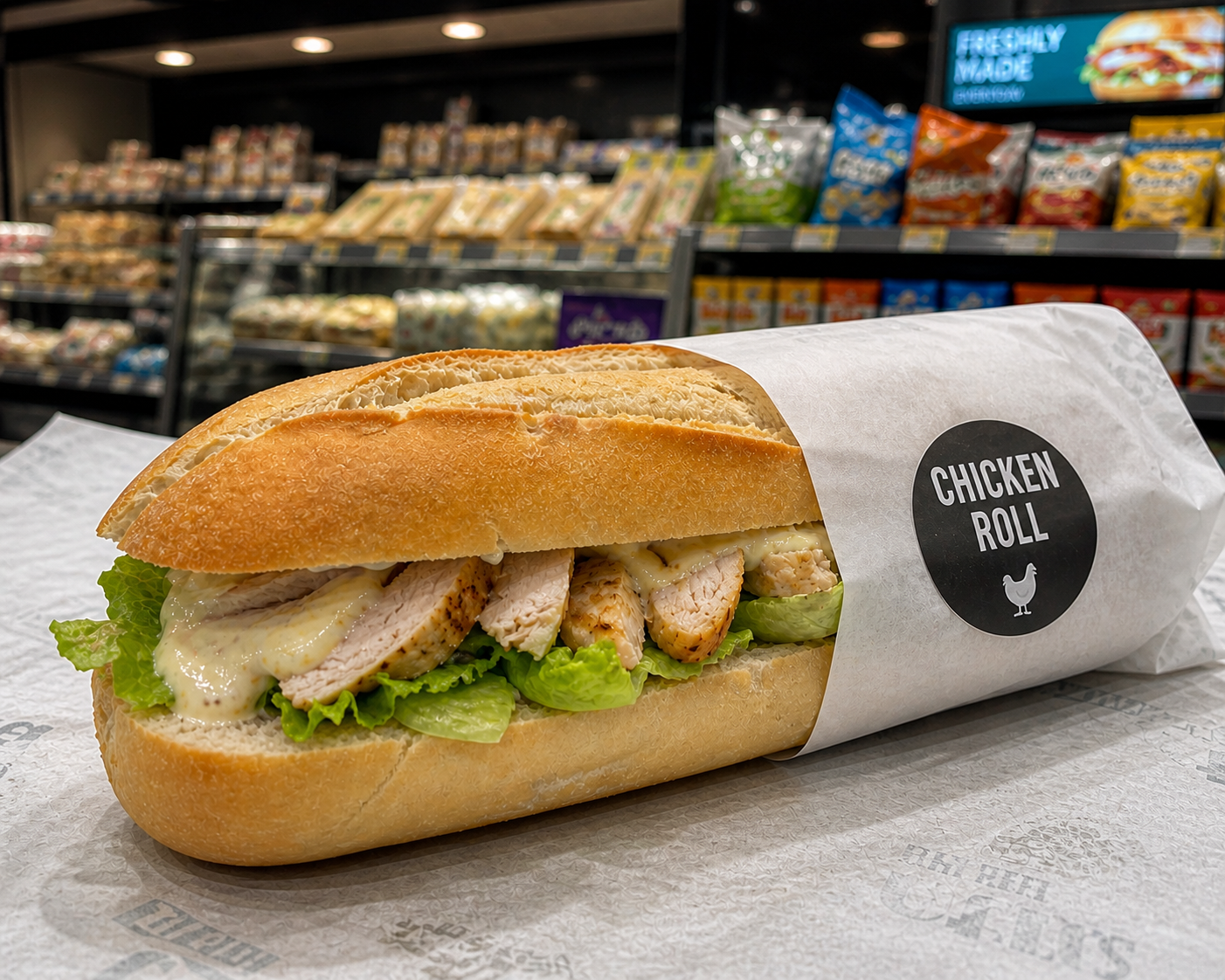
Every year, there’s a sudden urge to reinvent nutrition in exam households’ smoothies, quinoa, exotic berries. Most of it goes untouched. Teenagers are extremely capable when it comes to feeding themselves, especially when there’s a bit of money in their pocket. Most could sniff out a chicken roll baguette within a five mile radius in minutes.
Keep it simple. Provide options. Let them decide.

Hydration is not an issue. Students now travel with water bottles that resemble bulk storage tanks. You’d swear there was an imminent national water shortage. At this stage, dehydration is not the concern—the bigger risk might actually be drowning in their own water supply. Yes they can bring water in to the exam.
When they come out of an exam, resist the urge to analyse it. Postmortems rarely help. Students tend to fixate on one small mistake and blow it out of proportion. In reality, that “disaster” might have little or no impact on their overall grade.
Encourage them to reset, rest, and refocus on the next exam. There will be time to reflect after the final paper.
Every year you’ll hear it for one exam: “That paper was awful.” Especially in subjects like Higher Level Maths. But results are standardised. Marking schemes adjust. Grade distributions remain stable. A tough paper doesn’t mean poor outcomes. In fairness to the SEC, the last thing they are trying to do is trip people up.
Points, courses, and “what ifs” can wait. If you have concerns about CAO choices, hold them until after the last exam and before the July 1st deadline. That’s when calm, rational conversations are actually possible.
If you’re going to offer one practical piece of advice, make it this: plan study time based on the exam timetable. Subjects early in June need immediate attention. Later subjects often come with built-in gaps. So dividing study time equally to each subject prior to the June 3rd is not the same as dividing all the available time appropriately up to the day of the last exam. This also needs to take account of practical and project work done in advance of written paper exam,
Beyond that—step back.
It’s also worth remembering that a lot of the work is already done. Language orals, practical exams, and project components are complete. That matters.
Your role is simple—but not always easy. Be available. Be calm. Be supportive. Avoid over-intervention. Sometimes the most helpful thing a parent can do is very little.
The most important window isn’t during the exams—it’s after them. Between the final paper and the CAO deadline, there’s space for reflection and informed decision-making. If you’re supporting third-level education, it’s reasonable to understand what’s on the CAO—but timing is everything.
No need to overhaul the house. No need to panic-buy “brain food.” No need to over-engineer the process.
Do the basics well: know the timetable, keep things normal, and stay steady.
And perhaps the most important advice of all: say what needs to be said… and then step back.
They’re often better at this than we give them credit for.